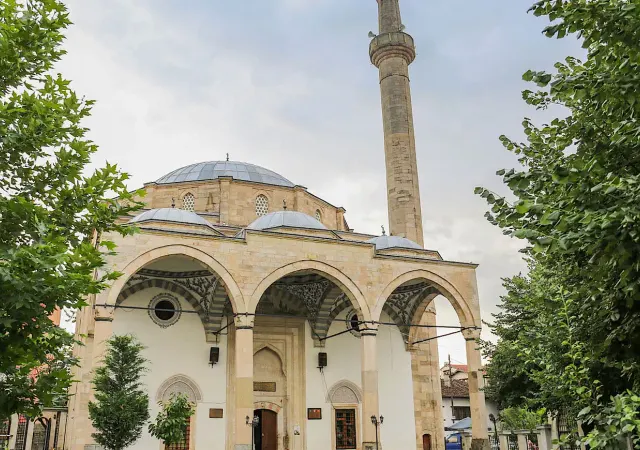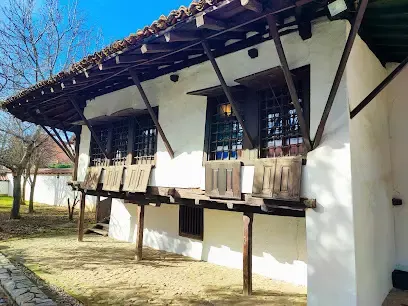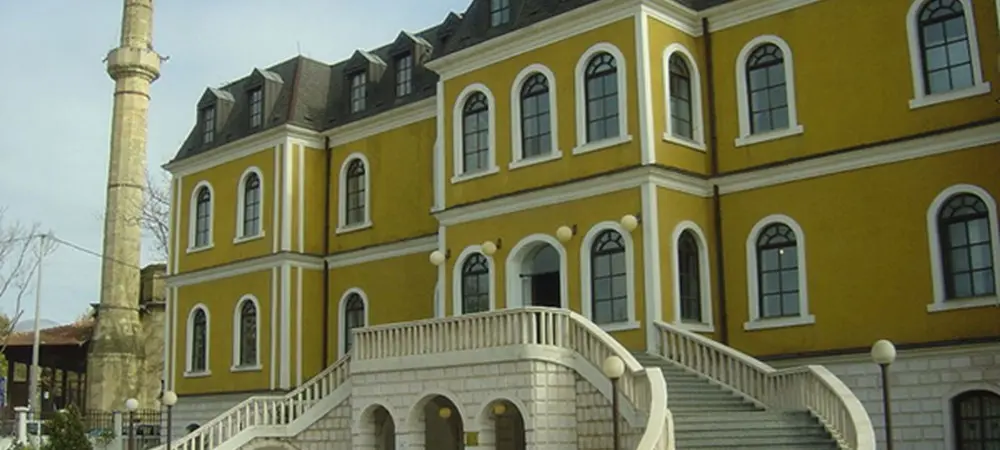
The Kosovo Museum is one of the most important museums in the Republic of Kosovo, and is considered an important cultural hub in the region. The museum sits in the capital, Pristina, and holds a rich collection of exhibits spanning ancient art, modern history, and local culture.
The museum’s exhibits reflect Kosovo’s cultural and historic diversity, offering a comprehensive view of social and cultural developments in the region through the ages. The exhibits include ancient artefacts, statues, paintings, handicrafts, traditional clothing, and historic documents.
The museum works to protect and document Kosovo’s cultural heritage and present it to the public. It seeks to strengthen understanding and cultural communication between different cultures, and raise awareness of shared, diverse heritage.
The Kosovo Museum also offers educational programmes and varied cultural activities such as lectures, workshops, and art performances. This aims to broaden visitors’ knowledge and deepen their understanding of Kosovo’s culture, history, and art.
In addition, the museum’s central location in Pristina, and its proximity to major tourist landmarks such as Skanderbeg Square and Pristina Bazaar, makes it a popular, sought-after tourist destination for visitors.
In short, the Kosovo Museum in Pristina is a wonderful place to explore and learn about Kosovo’s cultural and historic heritage. It’s notable for its rich collection of exhibits and cultural activities, and aims to strengthen understanding and cultural awareness between different cultures.
The Kosovo Museum: Preserving National Heritage
1. A diverse range of exhibits:
- The museum holds a rich collection of exhibits representing Kosovo’s history and culture through different eras, including ancient art, archaeological tools, traditional clothing, and historic documents.
2. Protecting and documenting heritage:
- The museum works to protect and document Kosovo’s cultural heritage and present it to the public, contributing to preserving cultural identity and the region’s history.
3. Educational programmes and cultural activities:
- The museum offers educational programmes and varied cultural activities such as lectures, workshops, and art performances, contributing to broadening knowledge and deepening visitors’ understanding.
4. A central location:
- The museum sits in Pristina, the Kosovar capital, making it a sought-after, easy-to-reach tourist destination for visitors staying in the city.
5. Promoting cultural understanding:
- The museum aims to strengthen understanding and cultural communication between different cultures, and raise awareness of shared, diverse heritage among visitors.
In short, the Kosovo Museum in Pristina is a wonderful place to explore and learn about the country’s cultural and historic heritage, and is considered one of the region’s leading museums.