Albania is reinventing itself as an alternative travel destination, with breathtaking scenery, organic farms, and model gardens, as part of a new strategy to become a sustainable tourism destination.
Albania, one of the Balkan countries of southeastern Europe and one of Europe’s fastest-growing travel destinations, will focus on alternative tourism rather than mass tourism, a step government officials hope will help set it apart from its competitors.
The popularity of the country, once tightly sealed off from the outside world, has risen sharply: it attracted 7.5 million visitors, more than double its own population, up from 6.4 million in 2019.
Travel demand is expected to keep growing thanks to the post-pandemic tourism rebound and the appeal of a short-haul destination that offers incredible value for visitors’ money.
So how about a tour through this country’s corridors, to get to know its customs and traditions?
Traditions and Heritage
The capital, Tirana, is one of the country’s most attractive destinations, home to a great many tourist sites. But changes made to turn it into a sustainable city have reshaped its landmarks, particularly in its old bazaars, where cars and other vehicles can no longer enter or pass through the streets, requiring visitors to either cycle or walk instead.
Tirana is one of the European cities built in the Ottoman style, with hundreds of mosques, churches, and other shrines and religious sites welcoming tourists of every background.
The old bazaars include a huge square known as Skanderbeg Square, which has witnessed many revolutions and popular protests, and also holds the National Museum, home to a great many Greek and Roman archaeological artefacts. The Clock Tower, built in the 19th century, is one of the most traditional tourist attractions, with a huge staircase leading visitors up to a floor that offers a panoramic view over the city.
Beach Tourism
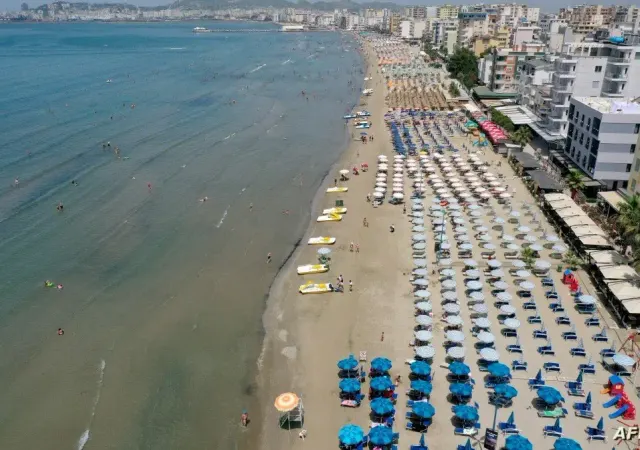
It’s true that Albania is usually associated with magnificent castles and ancient ruins, but the country is also a desirable destination for beach lovers, offering a suitable alternative to more popular stretches of coastline to the north and south.
The secret of its Mediterranean-style beaches is clear: the Albanian Riviera draws hundreds of thousands of tourists every year, who come to relax on golden sands and enjoy turquoise waters.
With 450 kilometres of coastline stretching along the Adriatic Sea from Montenegro to the Ionian coast, Albania has a complete range of beaches, each with its own character and appeal.
The Albanian Riviera is known locally as Bregu, an extension of the coastline along the northeastern Ionian Sea that runs through Vlora and Saranda in the country’s southwest, all the way to Butrint National Park and the border with Greece.
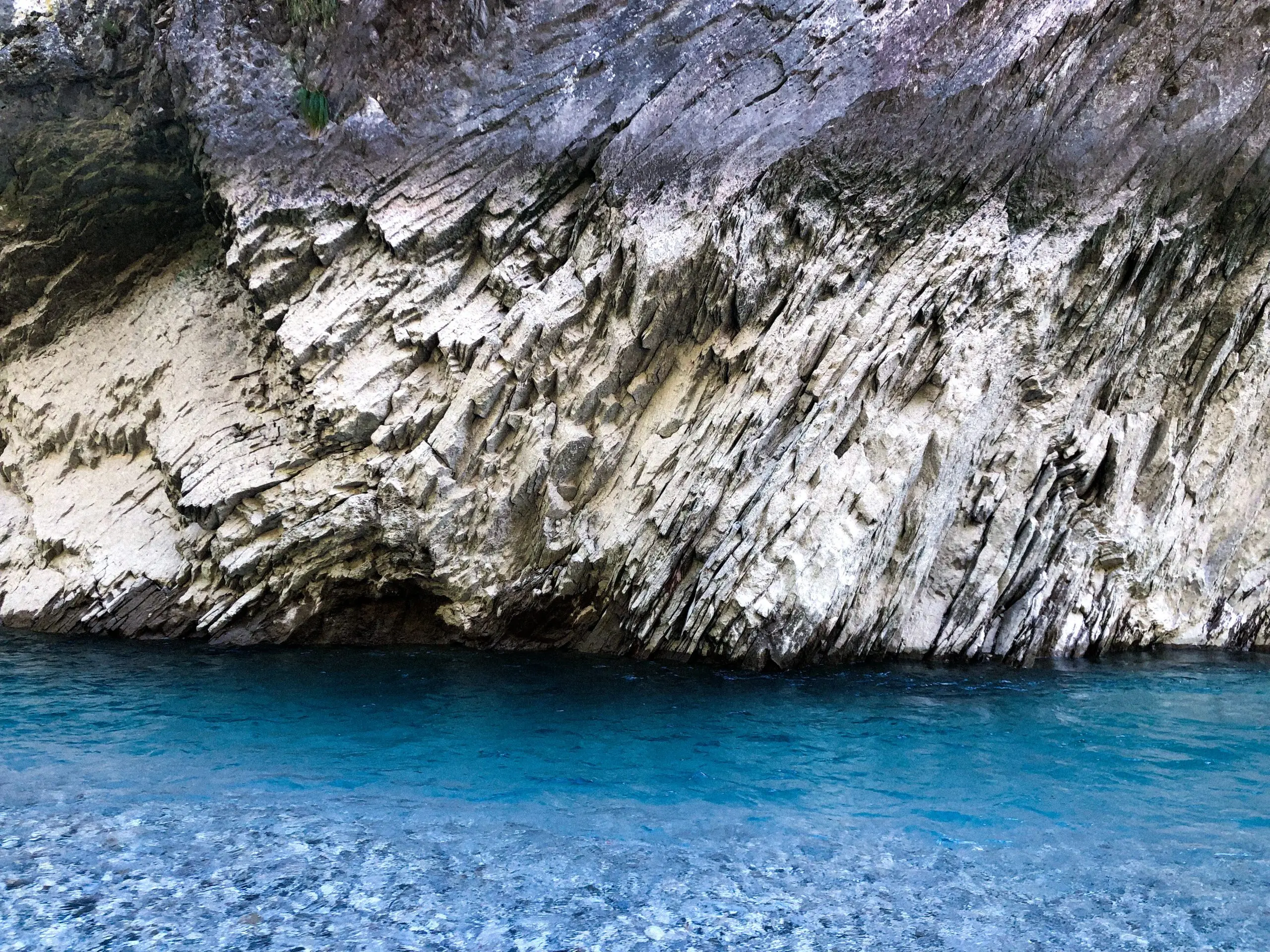
This stretch of coast is home to the country’s finest beaches, along with a range of other things to do, including natural wonders such as underwater caves and springs, charming coastal villages, breathtaking views over olive groves, ancient ruins, and even an abandoned nuclear bunker or two.
Cultural Places
The Ministry of Tourism has made no secret, as part of its new strategy, of its intention to highlight cultural sites.
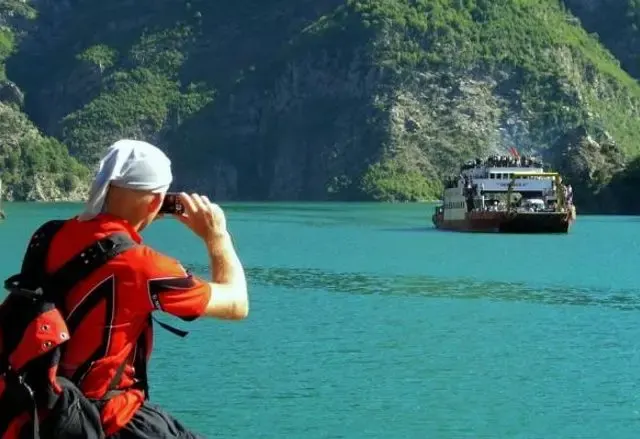
Albania is generally known for its cultural character, and the town of Shkoder, sitting on Lake Shkoder in the country’s northwest and regarded as the cultural capital, is one of the most beautiful cultural towns in the Balkans, thanks to its historic ruins and castles, its traditional markets dating back to the Middle Ages, and, most importantly, its many environmental and natural landmarks, alongside the authorities’ efforts to showcase Albanian identity through festivals, plays, cultural events, and many other activities held throughout the year.
With the start of spring, the town hosts hundreds of cultural and artistic events, encouraging tourists to visit.
For example, Lake Day, Environment and Nature Day, and Folk Heritage Day celebrations are held, offering wonderful opportunities to engage with local customs.
Food Tourism
As part of the new tourism strategy launched by Albania’s Minister of Tourism and Environment, Mirela Kumbaro, at the start of 2023, part of the effort has been devoted to encouraging tourists to engage with traditional food culture, reflected in efforts to encourage residents of villages and mountain areas to take part in food fairs held across the country’s major cities.
The minister also stressed the need to hold workshops on Albanian cuisine internationally.
Ultimately, the ministry may well be right on this point, since traditional Albanian food is a blend of Mediterranean and Balkan dishes.
“Fërgesë” is perhaps one of the country’s best-known recipes, a summer dish made from a rich tomato sauce, cheese, peppers, and garlic.
According to locals, this dish is best enjoyed cold, alongside fresh bread.
In fact, much of Albania’s food is naturally vegetarian, which fits well with sustainable, environmentally friendly tourism.